
 Bengali foods
 Best Mughlai
 Biryani
 Carrot Juice
 Chaat
Chaat Cheese Burger
 Chinese
 Cold Coffee
 Continental
 Cupcake
 Dessert
 Dinner
 Doughnut
 Drum Stick
 Fast Food
 Fresh Juice
 Gujarati Foods
 Homemade Meals
 Homemade Sweets
 Hot Dogs
 Ice Cream
 Indian Foods
 Italian
 Kebabs
 Lunch
Lunch Magi
Magi Noodles
 North Indian
 Pastry
 Pizza
Pizza Potato Fries
 Prawns
 Punjabi
 Salad
Salad Sham pane
 Shawarma
 South Indian
 Stakes
 Tandoor
 Tea
Tea Thai
Thai
Posted by Reviewtale
- Dec 9, 2025
- 228
- 1
Unpacking the Authenticity of Online Reviews
Online reviews influence nearly every buying decision today—from choosing a restaurant to booking a hotel room or buying a new laptop. Because of this heavy influence, Unpacking the authenticity of online reviews has become more important than ever. Consumers depend on honest experiences, yet not all feedback is genuine. In this guide, we’ll break down how to identify real opinions, protect yourself from deceptive practices, and gain confidence in your choices.
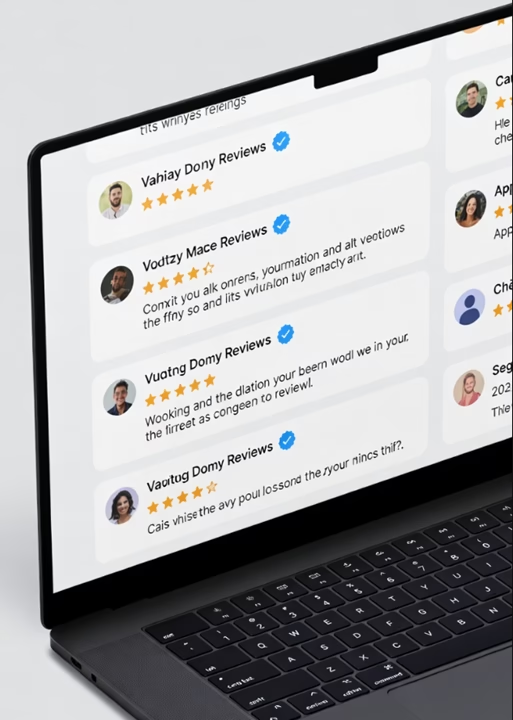
Introduction to Online Reviews and Digital Trust
Online reviews are the backbone of digital trust. In fact, over 90% of shoppers read reviews before purchasing. Reviews act like modern-day word-of-mouth, helping people judge quality long before clicking a checkout button.
Today’s digital world succeeds on transparency. But with millions of reviews posted each day, the line between real and fake can get dim. That’s why understanding how reviews work—and how authenticity impacts decision-making—is essential.
The Rise of User-Generated Content
User-generated content (UGC) has become one of the most influential forces on the internet. From Amazon star ratings to Google Maps feedback and restaurant critiques on Yelp, everyday users now shape how brands are perceived. UGC is powerful because it offers real-life experiences from real people—at least, that’s the idea.
Consumers crave authenticity, and they trust other consumers more than polished advertisements. As a result, online reviews now act as social proof, helping people validate their decisions. Businesses with a strong base of trustworthy reviews often enjoy higher conversions, better customer loyalty, and stronger reputations.
But as the value of reviews has grown, so has the incentive for manipulation. This is where the challenge begins.
The Rise of User-Generated Content in Decision-Making
The digital era has created a culture where buyers rarely make purchases without consulting online opinions. In many cases, people trust online reviewers—strangers they’ve never met—more than sales staff or brand representatives. This shift has influenced everything from e-commerce strategies to tourism and entertainment.
UGC has also encouraged more transparent communication between brands and customers. When companies respond to reviews—especially negative ones—it signals that they care about customer satisfaction. This interaction builds trust and reduces the distance between businesses and their audiences.
However, the downside is that the authenticity of those interactions can sometimes be staged. Some businesses hire agencies to post fake positive reviews or remove negative ones. This makes it harder for customers to know what’s real.
Why Authenticity Matters in Today’s Buying Decisions
Authenticity isn’t just a buzzword—it’s a cornerstone of trust. When consumers sense that reviews are honest, they feel safer spending their money. Real reviews highlight strengths, weaknesses, and unique insights buyers can’t find on product pages.
When authenticity disappears, two major problems arise:
- Consumers make poor decisions.
Fake positive reviews can push low-quality products, while fake negative ones can unfairly destroy a business’s reputation. - Brands lose credibility.
Once caught manipulating reviews, companies often struggle to regain trust.
This is why Unpacking the authenticity of online reviews has become a critical skill for the modern consumer.
Types of Online Reviews Across Platforms
Online reviews come in many forms. Understanding these formats helps users better evaluate credibility.
- E-Commerce Reviews
Found on Amazon, eBay, and other retail platforms. These often include star ratings, photos, and “verified purchase” badges.
- Travel and Hospitality Reviews
Platforms like TripAdvisor, Booking.com, and Airbnb rely heavily on guest feedback about cleanliness, safety, and service quality.
- Service Industry Reviews
Local businesses—from plumbers to dentists—rely on Google, Justdial and Yelp reviews to attract customers.
- Social Media Reviews
Facebook, Instagram, and TikTok comments frequently influence buying behaviour, even if they aren’t official “reviews.”
- Tech and Gadget Reviews
Sites like CNET, TechRadar, and user forums often provide in-depth feedback and community discussions.
Each platform has its own set of credibility indicators, and understanding them is part of spotting what’s genuine.
Differences Between Verified and Unverified Reviews
Verified reviews come from users who have actually purchased or used a product. Platforms confirm this through receipts or account activity.
Unverified reviews, however:
- can be posted by anyone
- may come from competitors or paid reviewers
- often include vague descriptions or generic language
Whenever possible, consumers should prioritize verified reviews—but even those aren’t always foolproof, since some sellers buy fake verified accounts.
Industry-Specific Review Norms
Different industries display different review patterns:
- Hotels: Reviews often mention cleanliness, amenities, or staff behaviour. Too many overly glowing reviews can be suspicious.
- Restaurants: Authentic reviews mention specific dishes, wait times, or ambiance.
- Tech products: Detailed, technical reviews usually signal authenticity.
- Healthcare and wellness: Ethical guidelines limit incentives for reviews, making extreme praise or harsh negativity a red flag.
Understanding platform culture helps readers spot inconsistencies.
Understanding Fake vs. Genuine Reviews
To continue Unpacking the authenticity of online reviews, let’s look deeper into how fake reviews are created and how to spot them.
Common Signs of Fake Reviews
Fake reviews often share similar patterns:
- Overly Positive or Overly Negative Tone
Extreme enthusiasm or intense hatred usually signals inauthenticity.
- Generic, Vague Wording
Statements like “Great product! Highly recommend!” without details raise suspicion.
- Repeated Phrases Across Multiple Reviews
Bots or paid reviewers often copy/paste the same message.
- Strange Posting Activity
Hundreds of reviews posted in a short period often indicate manipulation.
- Lack of Verified Purchase Indicators
Although not a guarantee, verification provides an extra layer of trust.
Motivations Behind Fake Reviews
Fake reviews happen for several reasons:
- Reputation inflation: Businesses trying to boost ratings quickly.
- Competitor sabotage: Companies posting negative reviews on rivals’ pages.
- Paid promotions: Influencers or freelancers hired to leave positive feedback.
- Bots and AI: Automated systems creating mass reviews for revenue.
The Impact of Fake Reviews on Consumers and Businesses
Fake reviews chip away at market fairness. While businesses lose credibility, consumers may waste money or have disappointing experiences. Over time, these damages trust in the entire review ecosystem.
Tools and Techniques to Verify Review Authenticity
Consumers now have access to several tools that help identify suspicious reviews.
Algorithmic Detection and Machine Learning Insights
Platforms like Amazon, Yelp, and Google use advanced AI models to detect:
- unusual posting patterns
- bot-like language
- IP address duplication
- suspicious purchase behaviour
Though effective, these systems aren’t perfect—making consumer awareness still essential.
How Consumers Can Evaluate Credibility Quickly
Practical steps include:
- Checking for detailed descriptions
- Looking at reviewer profiles
- Reading 3-star reviews for balance
- Comparing images posted by users
- Using external tools like Fakespot or ReviewMeta
These steps help buyers make smarter decisions.
The Psychology Behind Trusting Online Reviews
Humans naturally seek validation. Online reviews provide reassurance that others have tried and benefited from a product.
Emotional Triggers and Decision Making
Negative reviews have more impact because the human brain pays more attention to potential threats. This is why one bad review can outweigh ten good ones.
Regulatory and Ethical Perspectives
Globally, governments are taking action to combat fake reviews.
Global Laws Targeting Fake Reviews
Examples include:
- The European Union’s Consumer Protection Cooperation Regulation
- U.S. FTC guidelines prohibiting paid undisclosed reviews
- Australia’s ACCC crackdowns on deceptive marketing
Businesses now face heavy penalties for manipulating review systems.
Case Studies of Review Manipulation
Several high-profile companies have been fined for posting fake reviews or manipulating ratings. These cases highlight the importance of transparency.
Case Example: A Restaurant’s Ranking Boost Scheme
One business used hundreds of purchased reviews to climb ranking charts—but was later banned from major platforms.
Case Example: Electronics Seller on Amazon
A vendor offered gift cards in exchange for 5-star reviews, eventually leading to removal from the marketplace.
Lessons Learned From These Incidents
- Trust takes years to build, but moments to lose.
- Consumers pay attention to honesty.
- Platforms must take responsibility for maintaining integrity.
Best Practices for Businesses to Encourage Authentic Reviews
Ethical businesses focus on transparency and organic feedback.
Using Transparency to Build Trust
Some strategies include:
- Requesting reviews only from real customers
- Never offering incentives for positive ratings
- Responding kindly to negative feedback
- Displaying reviews from third-party platforms
This creates long-term loyalty.
How the Future of Online Reviews Is Evolving
Technology is reshaping how consumers judge authenticity.
Emerging trends include:
- AI-powered authenticity scoring
- Blockchain-based verification
- Video and voice reviews replacing text
- Stronger global regulations
Consumers will gain more tools to make informed decisions.
Conclusion
Understanding and Unpacking the authenticity of online reviews has become essential in today’s digital world. While reviews can guide smart choices, consumers must stay alert, evaluate carefully, and rely on trusted platforms. Authentic reviews help build a safer, more transparent marketplace—benefiting both customers and ethical businesses.
To further strengthen your ability to navigate today’s complex review landscape, tools like ReviewTale offer simplified, user-friendly analysis to help you separate genuine customer feedback from misleading or suspicious entries. By using platforms dedicated to transparency and credibility, consumers can make more informed decisions and businesses can maintain their integrity in an increasingly competitive digital space. Leveraging trusted resources like ReviewTale empowers everyone to contribute to a healthier, more honest online review ecosystem.
Frequently Asked Questions (FAQs)
1. How can one tell if a review is fake?
Look for vague language, repetitive patterns, and unverified purchases.
2. Are verified purchase reviews always real?
Not always, but they are typically more trustworthy.
3. Why do companies post fake reviews?
To boost sales, outrank competitors, or create hype.
4. What tools can help detect fake reviews?
Fakespot, ReviewMeta, and platform filtering systems.
5. Are fake reviews illegal?
Yes, in many countries. Businesses can face fines and bans.
6. What should I do if I suspect a fake review?
Report it to the platform or cross-check information using multiple sources.